
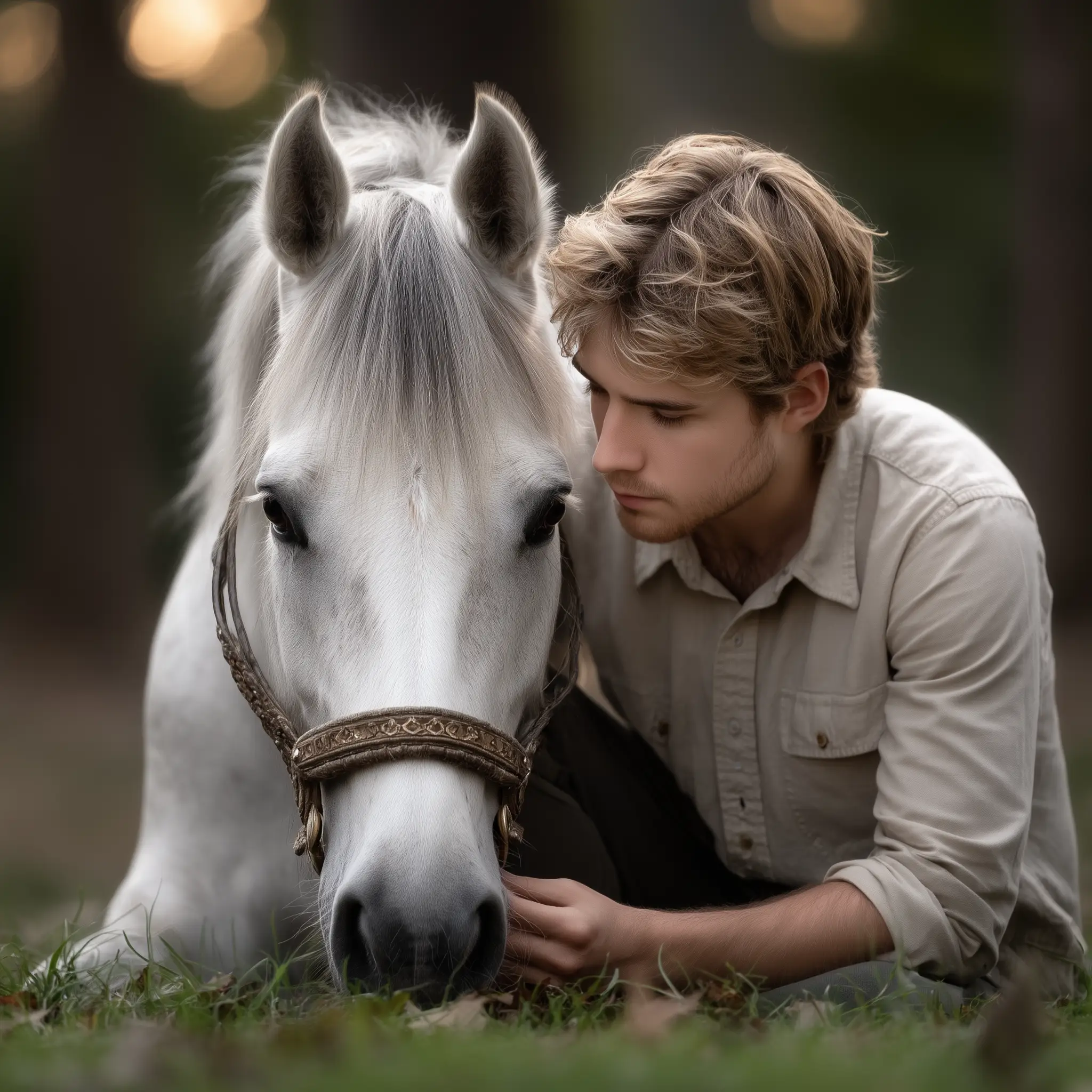
Horse Grooming: Building Trust and Friendship
What is the "Grooming Exercise" and what is its main goal?
The Grooming Exercise is presented as a method to improve your relationship with your horse, particularly during shedding season. Its main goal is to foster trust and friendship, allowing the horse to view you as a member of their herd and choose to spend time with you willingly. It's not primarily about removing hair, but about creating a positive and desired interaction for the horse.
Why is grooming during shedding season considered an opportune time for this exercise?
Shedding season is highlighted as the "perfect time" to work on the relationship. While not explicitly stated why in the provided text, the implication is that horses may experience increased itching and discomfort during this period, making gentle and attentive grooming potentially more appealing to them and creating a favorable context for positive interaction.
What is the absolute "NUMBER ONE RULE!" of this exercise?
The most crucial rule, emphasized with capitalization, is to "Only groom when they are free." This means the horse must have the ability and freedom to move away from you at any time.
Why is it important not to follow the horse if they move away during grooming?
Following the horse, even for a small step, is discouraged. This is because a slight movement may not indicate a desire to leave, but rather a communication that they want you to groom a different spot. By not following, you respect their communication and give them the opportunity to choose to stay, which is a key breakthrough in building trust.
What are some essential conditions for this exercise to be effective?
Several conditions are crucial for the Grooming Exercise to work as intended. These include not using a lead rope or halter, not tying the horse up, and conducting the exercise in a large area, ideally on grass, where the horse has the freedom to walk away. Furthermore, there must be "something else to walk to," meaning the horse isn't staying with you simply because there are no other options. They must choose to be with you over other potential activities or locations.
How does the exercise emphasize the horse's comfort and communication?
The exercise strongly emphasizes paying attention to the horse's cues and preferences. Rule Number Nine highlights that every horse is different and their preferences can change. It encourages observing signs of relaxation like closing eyes or quiet breathing, and Rule Number Ten stresses the importance of recognizing when the horse is indicating they want you to stop brushing, even if they have to walk away to communicate this.
What is the difference between grooming for hair removal and grooming for relationship building?
The sources clearly distinguish between these two approaches. Grooming solely to remove hair is seen as primarily for the human's benefit, and the text points out that horses don't need humans to shed. The Grooming Exercise, however, is centered on the horse's experience and building a positive relationship, where the interaction itself is the priority, not the quantity of hair removed.
How can this exercise potentially reveal underlying issues in the relationship with a horse?
The text suggests that if a horse is unwilling to be with you and groomed or saddled without being tied up, it could indicate underlying physical issues or a lack of desire to be with you. The exercise provides an opportunity to identify and address these issues, prompting reflection on the current relationship and what needs to be improved for mutual safety and trust.