
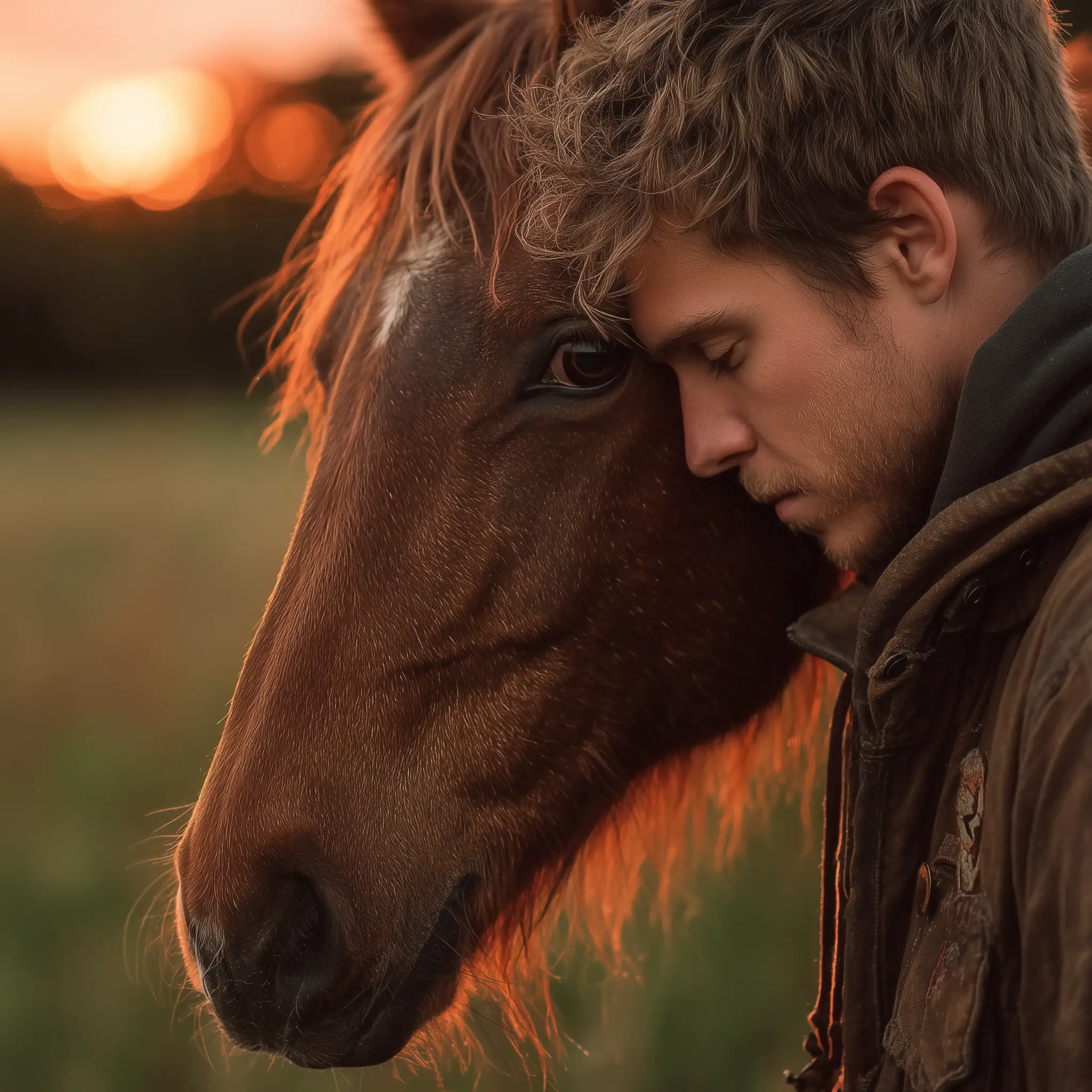
Horse Grooming: Building Trust and Friendship
Here is a detailed briefing document reviewing the main themes and most important ideas from the provided source, "Vol12SheddingExercise.pdf".
Briefing Document: The Grooming Exercise - Building Trust and Friendship with Your Horse
Source: Excerpts from "Vol12SheddingExercise.pdf"
Date: October 26, 2023
Prepared For: Individuals seeking to deepen their relationship with their horses, equine professionals, and those interested in horse behavior and communication.
Purpose: To summarize the core principles and rules of the "Grooming Exercise" as outlined in the provided document, focusing on its goal of fostering trust and friendship with horses.
Main Themes:
The central theme of the document is the use of shedding season grooming as a specific, structured opportunity to build a stronger relationship with a horse based on trust and friendship, rather than dominance or necessity. The exercise emphasizes allowing the horse freedom and choice in the interaction, seeing the horse as an equal partner in the relationship.
Key Ideas and Facts:
- Shedding Season as a Relationship Opportunity: The document highlights spring, or shedding season, as "the perfect time to work on your relationship with your horse" and a "perfect opportunity for the horse to look at you in a different way."
- Goal of the Exercise: The ultimate goal is for the horse to "look upon you as one of the herd" and to achieve a state where the horse chooses to stay with you, not because they are forced or there is no other option, but because they want to. The desired outcome is a horse who says, "Let’s hang out," and may even "want to follow you when you step away."
- The "Grooming Exercise" as a Specific Method: The document presents a set of "simple rules" that, if followed correctly, can lead to an "instant change in your horse’s relationship with you." Conversely, missing a rule can mean missing the opportunity until the next shedding season.
- Emphasis on Horse's Freedom and Choice: This is the cornerstone of the exercise, particularly highlighted in the "NUMBER ONE RULE!": "Only groom when they are free." Subsequent rules reinforce this, prohibiting asking the horse to "hold still or stay with you by word, action or even in your thoughts" and emphasizing "Don’t follow them" if they move away.
- Avoiding Restraint: A critical aspect of allowing freedom is the absolute prohibition of tying the horse up during this exercise. The document states unequivocally, "No Lead Rope," "No Halter," and that "Keeping your horse tied up to groom... will actually destroy the relationship that you are trying to build here!" Tying a horse can "hide issues that you are not even aware of" and may indicate underlying problems with the horse's willingness to be with you.
- Importance of Environment: The exercise works best in an environment where the horse has the freedom to move away and, crucially, "has to have something or someone else to go to." This ensures that if the horse stays with you, it is a genuine choice. "If the horse is staying with you because you are where the food is or because there is nothing else to go to, he is not staying with you because he wants to, but because you are the only thing here."
- Focus is on Relationship, Not Cleaning: The document repeatedly stresses that this is not about getting every last hair off the horse. "This is about building a relationship, not brushing every inch of him and getting every last loose hair off!" The author argues that horses don't need humans to shed their hair and that extensive brushing can be "more of an annoyance than any help" for a horse in their natural state. The focus shifts from the human's goal of cleaning to the horse's experience of being touched.
- Horse Communication and Listening: The exercise requires the human to be highly attuned to the horse's subtle cues. Moving a step away is presented as a potential communication from the horse indicating they want the human to move to another spot, not necessarily that they want to leave. "Because a half step back or forward doesn’t mean they want to leave, chances are, what they are doing is communicating to you that they want you to move on to another spot!" Similarly, ignoring the horse's signals to stop brushing will result in the horse walking away. "Rule Number 10 ~ Watch for when you should stop brushing." Signs of relaxation and enjoyment are key indicators: "eyes that start to close, the neck relaxing, or maybe you notice your horse’s breath becoming quieter."
- Understanding the Horse's Perspective on Touching: The author emphasizes that "every horse is different. And every horse is different every day." The intensity and area of grooming the horse enjoys can change moment to moment. The analogy of a human itch is used: "Let’s face it, when we itch, it doesn’t last for hours or days, and while we might appreciate someone scratching our back in the moment, we would be pretty annoyed if they did for days unasked."
- Human Positioning: The direction the human faces is also important, though detailed discussion is reserved for classes. The rule is, "our horse will never relax if you face the same direction as he does for an extended period of time." This is tied to the idea that "friends watch out for each other."
- No Set Timeline: The exercise is dictated by the horse's willingness and needs in the moment. "5 seconds or 5 minutes, let them tell you what they want." The length of the interaction is determined by the horse's choice to stay.
- Year-Round Implications: The principles of not tying the horse and allowing freedom extend beyond shedding season. The document suggests that a strong relationship built through this exercise means the human should expect to "walk up to my horse in the pasture and brush and throw a saddle on" without needing to tie them. If this isn't possible, it suggests deeper issues need addressing.
- Questioning the Need to Ride: The document poses a significant question: "if your horse doesn’t want to be with you, and is not interested in letting you groom and saddle them without being tied up, is it really safe for you to climb on board? Should you be riding at all?" This underscores the belief that a strong, willing relationship is fundamental to safe and ethical riding.
- Potential Harm of Tying: Tying a horse for grooming is explicitly stated as having "deleterious effects that you don’t realize" and can send a message "different than what you think."
Summary of Key Rules:
- Only groom when the horse is free (untied).
- Never ask the horse to hold still or stay (verbally, physically, or mentally).
- Do not follow the horse if they walk away.
- Especially don't follow if they take small steps; they might be directing you to a different spot.
- No lead rope, no halter, no tying.
- Use a large area, preferably on grass, where the horse has room to move.
- Ensure there is something else (like pasture or other horses) the horse could go to, so staying with you is a choice.
- Focus on building the relationship, not on getting all the hair off. The horse doesn't need you for shedding.
- Pay close attention to how the horse wants to be touched in the moment and watch for signs of relaxation (closing eyes, relaxed neck, quiet breathing).
- Watch for and respect the horse's cues that they want you to stop brushing or move on.
- Pay attention to your positioning relative to the horse; facing the same direction for too long can cause unease.
- There is no set time limit; let the horse dictate the length of the interaction.
- Consider the implications of needing to tie your horse for grooming or saddling year-round; it may indicate deeper relationship issues.
Conclusion:
The "Grooming Exercise" detailed in this document presents a philosophy of horse handling centered on fostering genuine trust and friendship through allowing the horse freedom, choice, and clear communication. By shifting the focus from the human's goal of cleaning to the horse's experience and willingness to engage, particularly during shedding season, the exercise aims to fundamentally alter the dynamic of the relationship, encouraging the horse to view the human as a valued companion rather than a handler. The strict adherence to allowing the horse to be untied and have other options is critical to validating the horse's choice to stay and build a deeper bond.